
Sampling & Qualification Support Services in North Carolina
Selecting a Supplier Isn't the Final Decision—Validating Their Capability Is
Receiving competitive quotations and selecting a preferred supplier are important milestones in any sourcing project, but they shouldn’t be the final step before production begins. The real confidence comes from confirming that the supplier can consistently manufacture your product according to your technical, quality, and commercial expectations.
Many procurement challenges arise because businesses move directly from quotation approval to mass production without validating manufacturing capability. Product samples may not match production standards, quality expectations may be interpreted differently, or manufacturing processes may reveal limitations that weren’t apparent during supplier evaluation.
For businesses in North Carolina sourcing products from India, Sampling & Qualification Support provides a structured way to verify supplier readiness before making larger commercial commitments. It allows procurement teams to identify potential issues early, reducing the likelihood of costly production delays, quality concerns, or supplier disputes. At Kaizen Global Sourcing, this stage is focused on helping businesses make informed production decisions by validating supplier capability—not simply approving a sample.

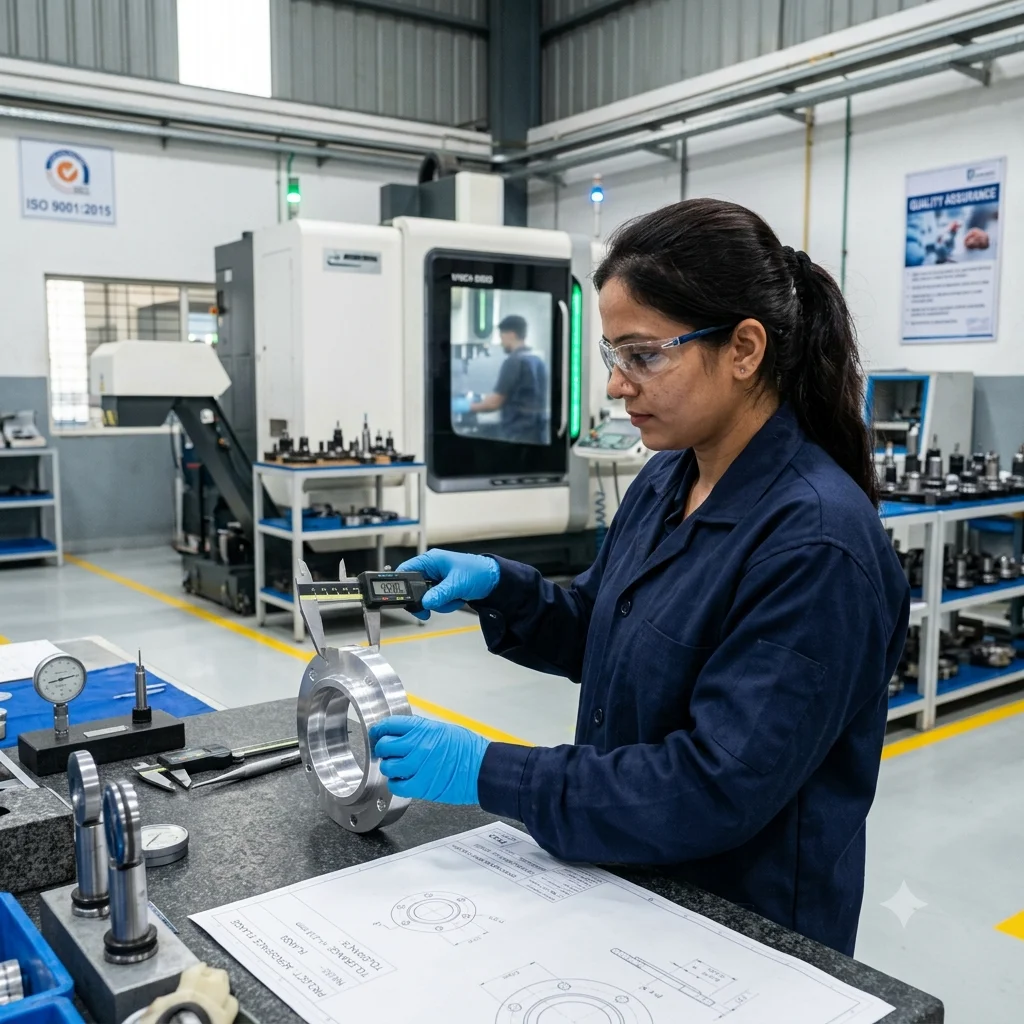
Why Sampling & Qualification Matter Before Production
A sample is more than a prototype. It represents an opportunity to evaluate whether a supplier can translate technical requirements into a finished product while maintaining quality, consistency, and manufacturability.
Qualification activities may also include reviewing production processes, confirming material specifications, evaluating packaging requirements, assessing manufacturing controls, or verifying compliance with agreed project requirements. Taking time to validate these factors before production helps procurement teams reduce uncertainty and build stronger supplier relationships.
Why North Carolina Businesses Benefit from Supplier Qualification
North Carolina’s manufacturing economy includes sectors such as aerospace, automotive components, furniture, textiles, life sciences, industrial machinery, and precision manufacturing. Many businesses operating in these industries rely on international suppliers for specialized components and finished products where quality and consistency are essential.
A structured qualification process helps businesses confirm that selected suppliers can meet industry expectations before production begins. Rather than relying solely on quotations or certifications, procurement teams gain practical evidence of manufacturing capability through sampling and qualification activities. This additional level of validation supports more reliable sourcing decisions and strengthens long-term supply chain performance.
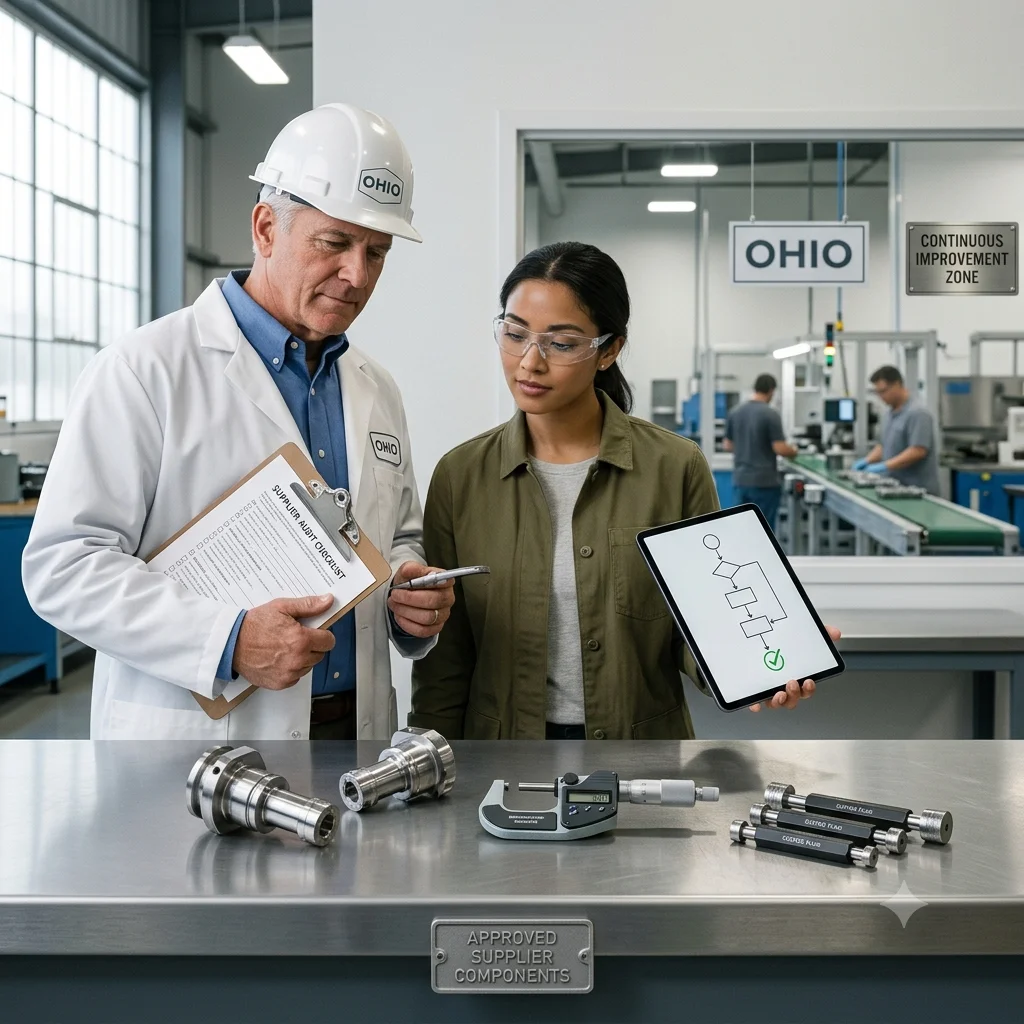
Approving a Supplier vs. Qualifying a Supplier
Many businesses believe selecting a supplier automatically means the supplier is ready for production.
Experienced procurement teams understand there is an important difference.
Supplier Approval | Supplier Qualification |
|---|---|
Based mainly on quotations | Based on demonstrated manufacturing capability |
Commercial decision | Technical and operational validation |
Assumes supplier readiness | Confirms supplier readiness |
Focuses on supplier selection | Focuses on production confidence |
May rely on documentation alone | Includes practical verification before production |
Qualification provides confidence that suppliers can consistently meet agreed requirements not just promise they can.
How Kaizen Supports Sampling & Qualification
Kaizen Global Sourcing works with businesses to coordinate the activities that help validate supplier readiness before production.
Depending on project requirements, this may include reviewing product samples, coordinating communication between buyers and manufacturers, confirming technical expectations, supporting inspection planning, and helping ensure that qualification feedback is clearly documented before production begins. The objective is not simply to approve a sample, but to reduce uncertainty before larger production commitments are made. Through a structured qualification process, businesses can:
Procurement Consultant's Insight
One approved sample doesn’t automatically guarantee successful production. The real objective of supplier qualification is to determine whether the supplier can consistently reproduce that quality at scale while meeting delivery, quality, and commercial expectations.
Mini Procurement Scenario
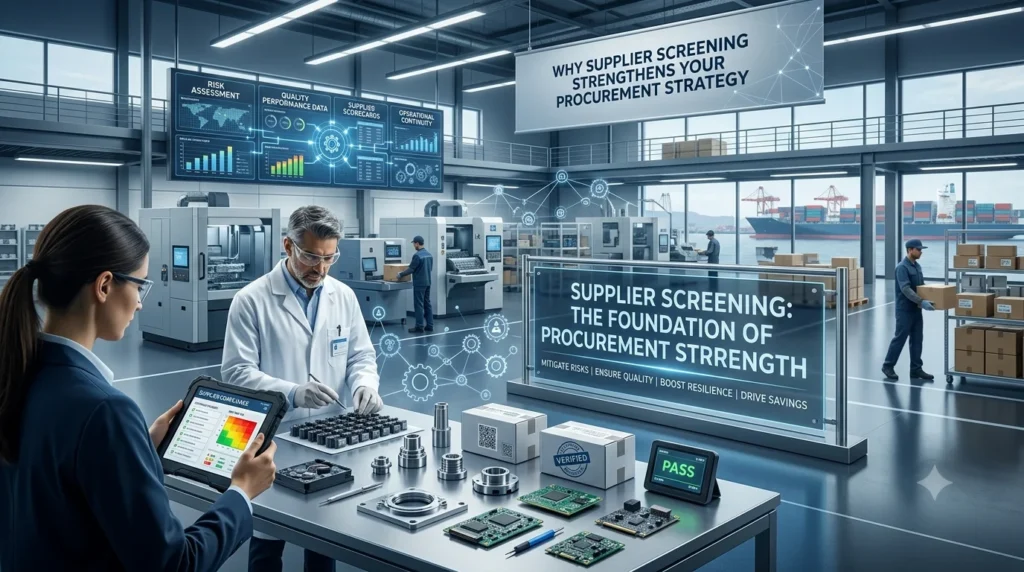
A North Carolina medical equipment company shortlisted an Indian supplier after completing supplier screening and quotation review. The initial sample met dimensional specifications but revealed inconsistencies in surface finishing and packaging requirements that could have affected regulatory compliance during shipment.
Through structured qualification and supplier feedback, the manufacturer refined its production process before the first commercial order. As a result, the buyer moved into production with greater confidence and reduced the likelihood of quality-related delays after shipment.
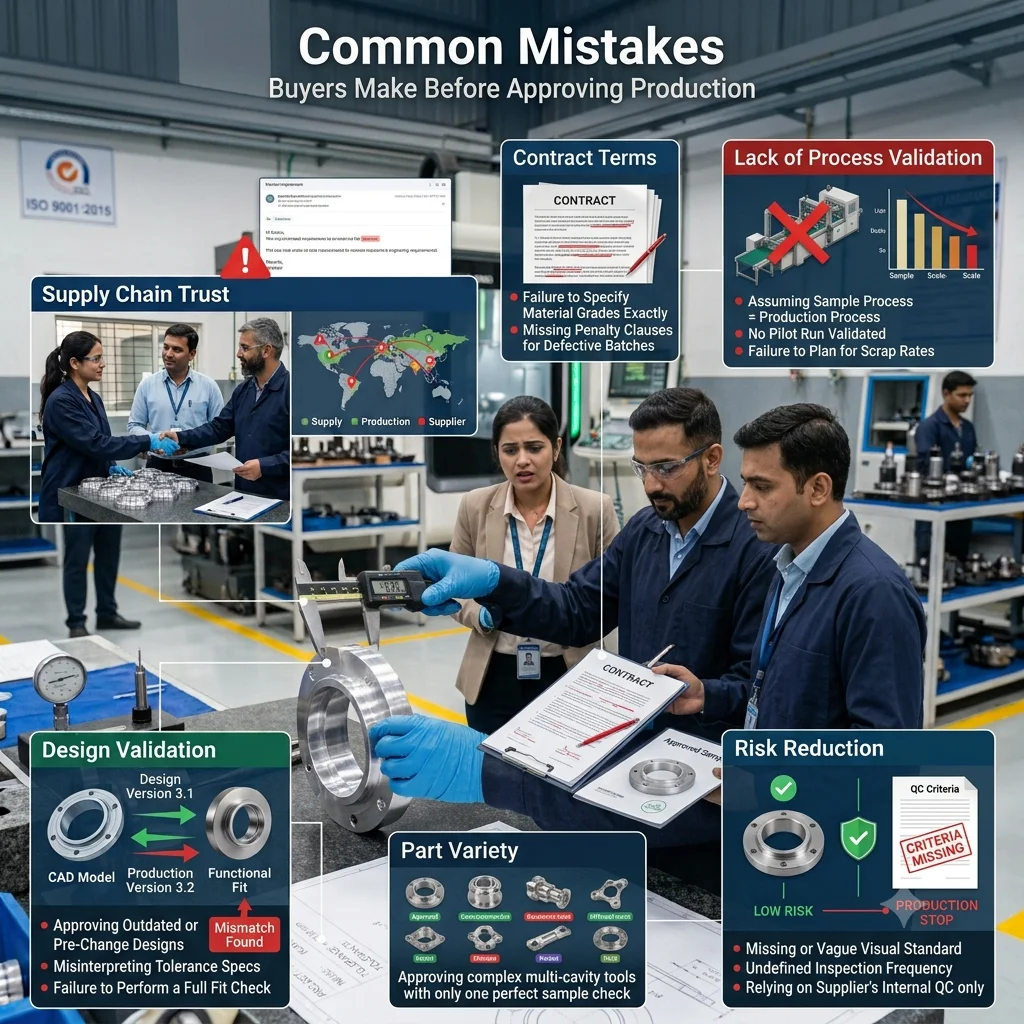
What This Means for Your Procurement Strategy
Approving a supplier based solely on quotations or certifications introduces unnecessary risk into the procurement process. Sampling and qualification provide practical evidence that a supplier can consistently deliver products that meet your technical specifications, quality expectations, and production requirements.
For businesses in North Carolina sourcing from India, this stage bridges the gap between supplier selection and production. It helps procurement teams confirm manufacturing readiness before committing significant resources, reducing the likelihood of quality issues, production delays, and costly corrective actions after orders have been placed. Supplier qualification is not about questioning a manufacturer’s capabilities. it’s about validating them before production begins.
How Procurement Leaders Think Differently
Experienced procurement teams view sampling as a business validation process rather than a product approval exercise.
Traditional Buying Approach | Strategic Procurement Approach |
|---|---|
Approve the first acceptable sample | Evaluate whether quality can be consistently reproduced |
Focus on product appearance | Assess manufacturing capability and process consistency |
Assume production will match the sample | Validate production readiness before placing orders |
Address issues after production begins | Resolve concerns during qualification |
View sampling as the final step | Treat qualification as a critical risk management stage |
The strongest procurement decisions are made before production starts—not after issues arise.
Product Samples vs. Production Readiness
A successful sample is an important milestone, but it does not always indicate that the supplier is fully prepared for commercial production.
Sample Evaluation | Supplier Qualification |
|---|---|
Reviews an individual product sample | Evaluates the supplier’s ability to consistently manufacture at scale |
Focuses on appearance and functionality | Reviews manufacturing processes, quality controls, and production capability |
Confirms product suitability | Confirms supplier readiness for ongoing production |
One-time review | Supports long-term supplier performance |
Product-focused | Process-focused |
This broader approach helps businesses minimise sourcing risks before moving into production.
Without Supplier Qualification vs. With Supplier Qualification
Without Structured Qualification | With Structured Qualification |
|---|---|
Production begins with limited validation | Manufacturing capability is verified before production |
Higher likelihood of quality inconsistencies | Greater confidence in consistent product quality |
Unexpected production challenges | Potential issues identified early |
Increased risk of delays and rework | Better production planning and risk reduction |
Limited visibility into supplier capability | Stronger understanding of supplier readiness |
Qualification activities provide confidence that the supplier can deliver consistently—not just once.
Common Procurement Mistakes During Sampling & Qualification
Many sourcing challenges can be traced back to inadequate supplier validation. Avoid these common mistakes:
A structured qualification process helps identify these risks before they affect production schedules or customer deliveries.
Decision Matrix – Is Sampling & Qualification Your Next Step?
Current Procurement Stage | Recommended Service |
|---|---|
Researching manufacturers | Supplier Discovery |
Assessing supplier capability | Supplier Screening |
Preparing supplier quotations | RFQ Coordination |
Comparing commercial proposals | Quote Review & Comparison |
Selected a preferred supplier | Sampling & Qualification Support |
Ready to manage production and supplier performance | Ongoing Sourcing Desk |
Questions Procurement Managers Often Ask
Is approving a sample enough before placing a production order?
Not always. A sample demonstrates product capability at a single point in time, while supplier qualification confirms whether the manufacturer can consistently achieve the same quality throughout commercial production.
Should production begin immediately after sample approval?
It’s advisable to first complete any required qualification activities, including confirming specifications, quality expectations, manufacturing processes, and any agreed corrective actions.
Can supplier qualification reduce sourcing risks?
Yes. Qualification helps identify potential manufacturing or quality concerns before larger production commitments are made, allowing businesses to address issues early.
What should businesses evaluate during supplier qualification?
Beyond the product sample, procurement teams should consider manufacturing processes, quality control systems, packaging requirements, production capacity, communication responsiveness, and the supplier’s ability to meet agreed timelines.
FAQs for Sampling & Qualification Support Services in North Carolina
Why is supplier qualification important after selecting a manufacturer?
Selecting a supplier is a commercial decision, while qualification validates that the supplier can consistently meet technical, quality, and production expectations before large-scale manufacturing begins.
Can a supplier provide a good sample but struggle during production?
Yes. Producing one high-quality sample is different from maintaining consistency across an entire production run. Qualification helps assess whether the supplier has the systems and processes to achieve repeatable results.
Does supplier qualification only benefit large organisations?
No. Businesses of all sizes can benefit from validating supplier capability before placing production orders, particularly when sourcing internationally.
How does Sampling & Qualification Support reduce procurement risks?
It helps verify manufacturing capability, identify quality concerns early, improve communication with suppliers, and reduce the likelihood of production delays or costly rework.
What happens after supplier qualification?
Once the supplier has successfully completed the qualification stage, the focus shifts to managing production, supplier communication, issue resolution, and ongoing procurement support through an Ongoing Sourcing Desk.
How does Kaizen Global Sourcing support supplier qualification?
Kaizen helps businesses organise project information, standardise supplier communication, and improve quotation consistency before commercial evaluation begins.
Is qualification useful for repeat suppliers?
Yes. Even long-term supplier relationships benefit from qualification when introducing new products, updated specifications, or revised manufacturing requirements.
Can qualification improve long-term supplier relationships?
Absolutely. Clear expectations, structured feedback, and collaborative validation create stronger partnerships and reduce misunderstandings during future production.
Key Takeaways
Before moving to quotation evaluation, remember:
Continue Your Procurement Journey
Next Step: Ongoing Sourcing Desk
Once your supplier has successfully completed the qualification stage and production begins, maintaining supplier performance becomes just as important as selecting the right manufacturer.
Ongoing Sourcing Desk Services provide continued procurement support by helping businesses coordinate supplier communication, monitor production progress, resolve sourcing challenges, and maintain consistent supplier relationships throughout the lifecycle of the project. This final stage transforms procurement from a one-time sourcing activity into a long-term supplier management strategy.
Build Long-Term Confidence in Your Supply Chain
Successful international sourcing doesn't end when a supplier is selected or a sample is approved. Long-term procurement success depends on maintaining consistent communication, monitoring supplier performance, and addressing challenges before they impact production or delivery.
If your business in North Carolina is sourcing products from India, Kaizen Global Sourcing can support your qualification process, helping you validate supplier readiness and move into production with greater confidence.
Partner with Kaizen for Long-Term Procurement Success
Successful sourcing is not measured by a single purchase order it is measured by the consistency, reliability, and performance of your supplier relationships over time.
If your business in North Carolina is sourcing products from India, Kaizen Global Sourcing can help coordinate supplier communication, support production management, and provide ongoing procurement expertise that strengthens your international supply chain.