
Supplier Screening Services in Michigan
Choosing a Supplier Is Easy, Choosing the Right Supplier Takes Due Diligence
Finding potential manufacturers is only the first step in a successful sourcing strategy. Before requesting quotations, approving samples, or placing purchase orders, procurement teams need confidence that shortlisted suppliers possess the operational capability, quality systems, production capacity, and business reliability required to meet long-term sourcing objectives.
Many procurement challenges occur because supplier selection moves too quickly from discovery to commercial discussions without adequately evaluating supplier capability. A professional website, competitive pricing, or positive initial conversations do not necessarily reflect a supplier’s ability to consistently deliver quality products on time and according to specification. For businesses in Michigan sourcing products or components from India, Supplier Screening provides a structured process for evaluating manufacturers before commercial commitments are made. Rather than relying on assumptions, procurement teams make decisions based on verified information that supports long-term sourcing success.
At Kaizen Global Sourcing, Supplier Screening helps businesses reduce procurement risk by assessing whether suppliers have the capabilities, operational maturity, and manufacturing practices needed to become dependable long-term partners.

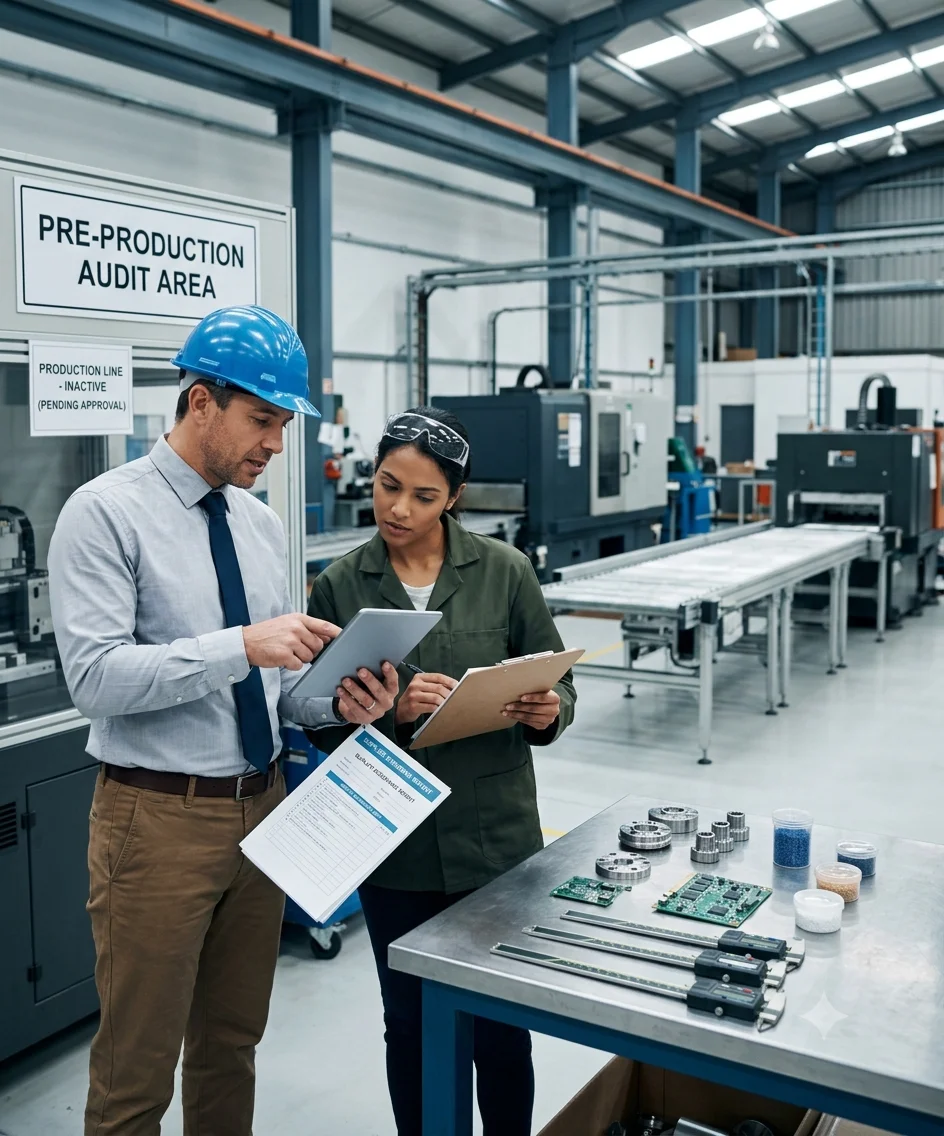
Why Supplier Screening Matters
Supplier Discovery identifies potential manufacturers. Supplier Screening determines whether those manufacturers are truly capable of supporting your business.
A structured screening process allows procurement teams to evaluate supplier suitability before investing additional time in RFQs, negotiations, tooling, production planning, and supplier onboarding. Supplier Screening helps businesses:
- Assess manufacturing capability.
- Review production capacity.
- Understand operational strengths.
- Evaluate quality management practices.
- Support informed procurement decisions.
- Reduce sourcing uncertainty before commercial engagement.
Rather than moving forward based on assumptions, businesses gain greater confidence in supplier capability before progressing to the next stage of procurement.
Why Michigan Businesses Benefit from Supplier Screening
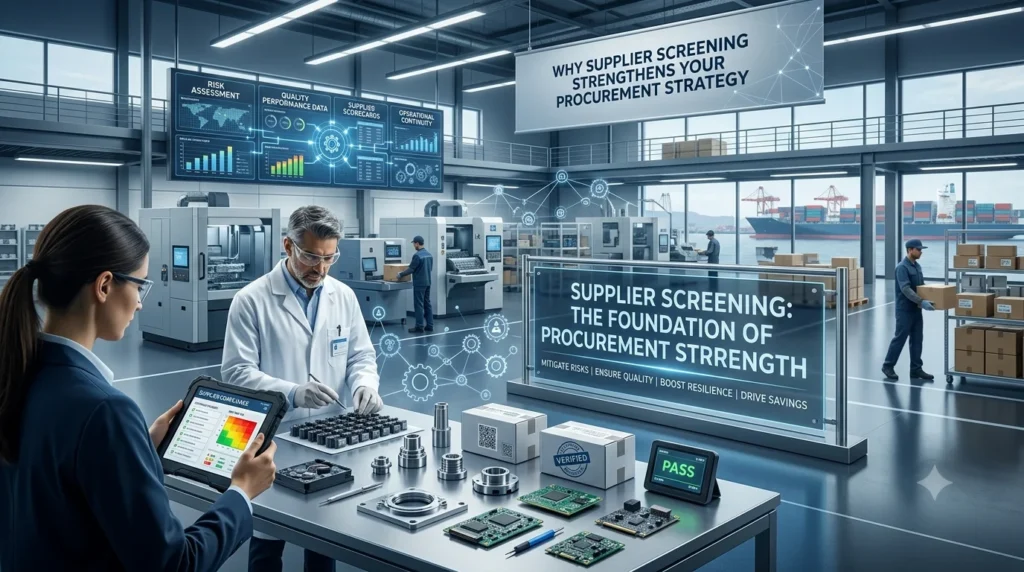
Michigan remains one of America’s largest manufacturing and engineering hubs, with globally recognised expertise in automotive production, electric vehicles, aerospace, industrial automation, defence, advanced materials, robotics, and precision manufacturing.
Businesses operating in these industries depend on suppliers capable of meeting demanding technical specifications, strict quality standards, consistent production schedules, and continuous improvement expectations. When sourcing from India, evaluating suppliers before commercial engagement helps Michigan businesses minimise operational risks while strengthening procurement decisions across complex global supply chains.
Supplier Screening provides the confidence required to move into quotation requests and supplier negotiations with manufacturers that have already demonstrated procurement readiness.
Supplier Discovery vs. Supplier Screening
Although closely connected, these services perform different procurement functions.
|
Supplier Discovery |
Supplier Screening |
|---|---|
|
Identifies potential manufacturers |
Evaluates shortlisted manufacturers |
|
Focuses on supplier identification |
Focuses on supplier capability assessment |
|
Creates procurement opportunities |
Validates procurement suitability |
|
Builds supplier shortlist |
Confirms supplier readiness |
|
First step of sourcing |
Second step before RFQs |
Supplier Discovery answers “Who should we talk to?”
Supplier Screening answers “Who should we trust?”

How Kaizen Approaches Supplier Screening
Kaizen Global Sourcing follows a structured evaluation process that helps procurement teams understand whether shortlisted suppliers align with project requirements before moving into quotation and production discussions.
Rather than evaluating suppliers on pricing alone, the screening process considers factors that influence long-term sourcing performance, including manufacturing capability, production capacity, operational processes, quality management, export readiness, communication responsiveness, and overall business suitability.
This procurement-focused approach helps businesses:
- Reduce supplier-related uncertainty.
- Improve sourcing confidence.
- Build stronger supplier shortlists.
- Support informed procurement decisions.
- Prepare for successful RFQ coordination.
Supplier Screening creates a stronger foundation for every stage that follows.
Procurement Consultant Insight
Strong procurement teams do not assume supplier capability they verify it. Screening suppliers before requesting quotations helps businesses avoid costly sourcing mistakes, improve supplier quality, and build more reliable manufacturing partnerships over the long term.
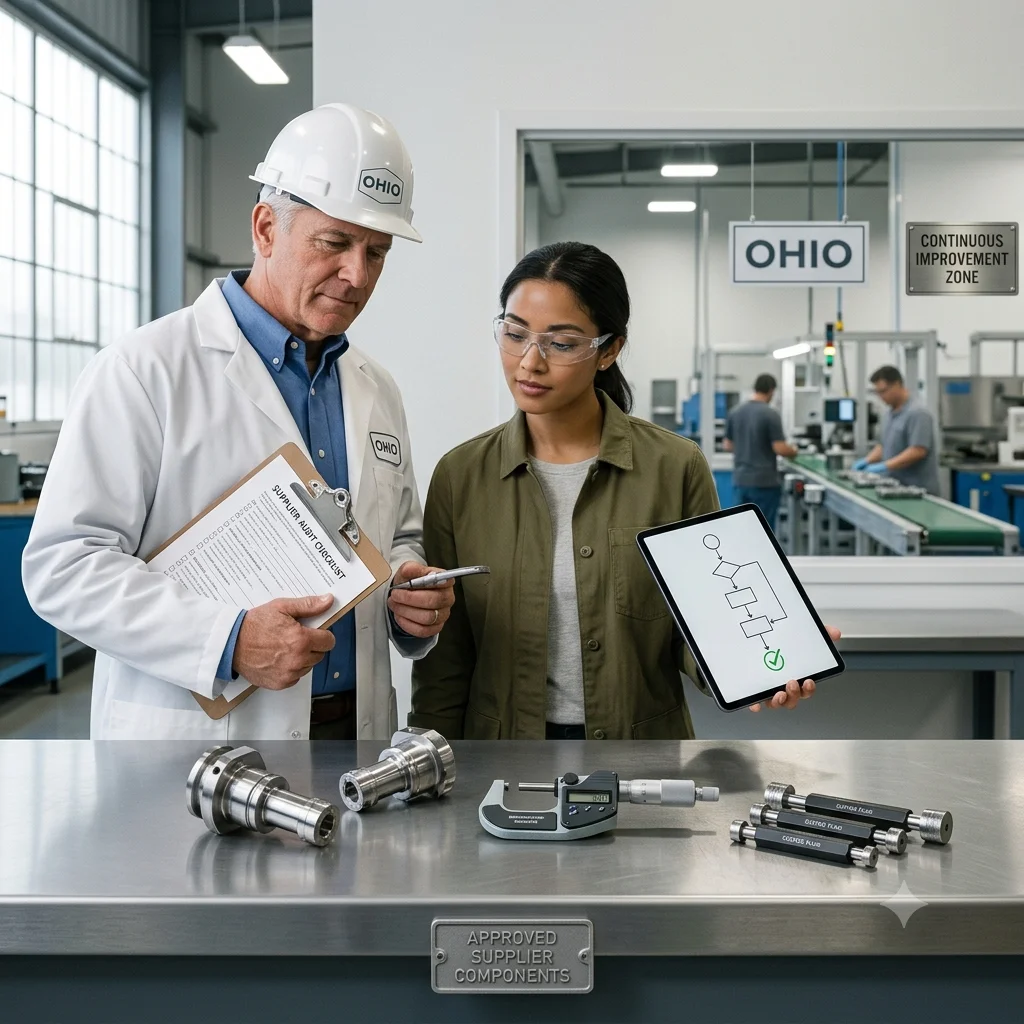
Mini Procurement Scenario
A Michigan-based industrial automation company identified several Indian manufacturers capable of producing precision components for a new production line. While the suppliers appeared suitable based on initial research, the procurement team needed greater confidence before requesting detailed quotations.
Through a structured Supplier Screening process, the business evaluated manufacturing capability, production processes, quality systems, export experience, and operational readiness. This enabled the team to eliminate suppliers that did not fully meet project expectations and proceed with greater confidence during the RFQ stage.
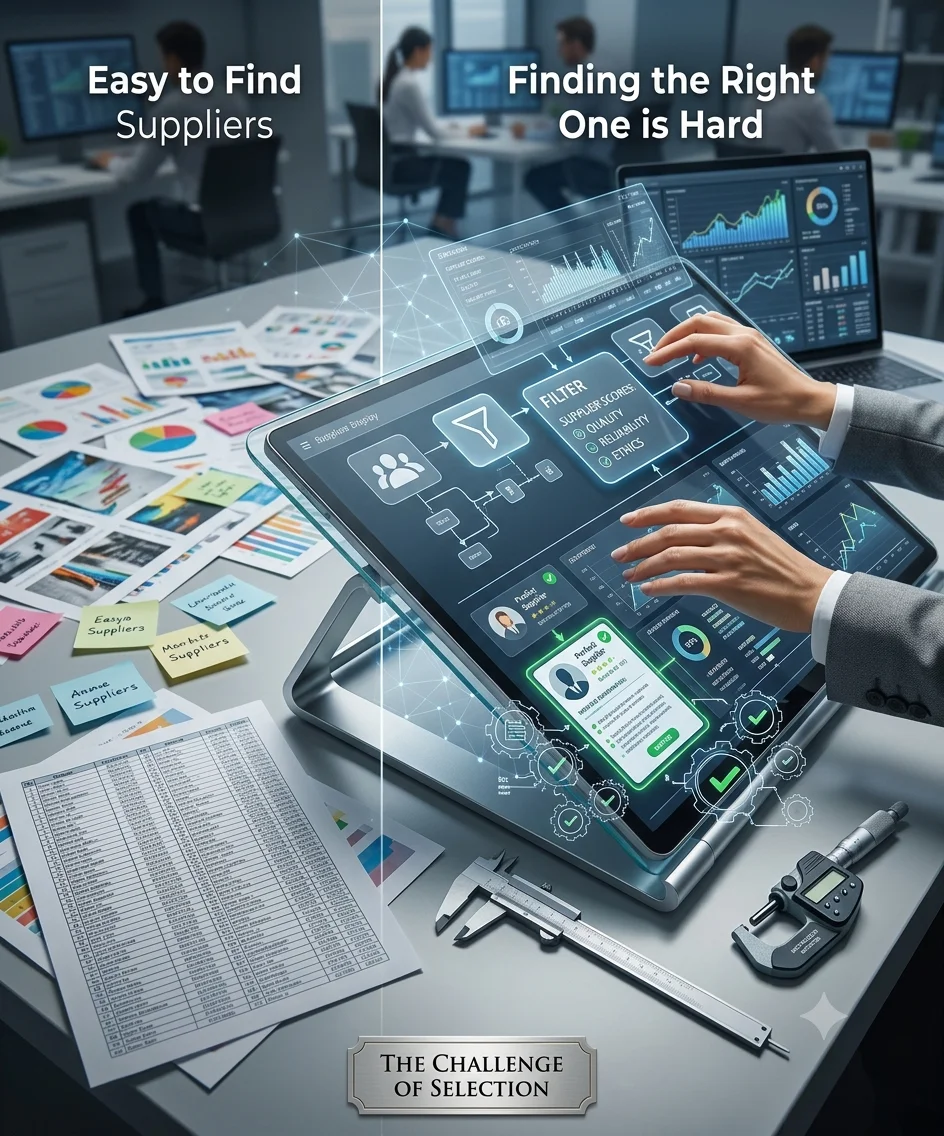
What This Means for Your Procurement Strategy
Supplier Screening is one of the most valuable risk-management activities in the procurement lifecycle. Before investing time in quotations, tooling, sampling, production planning, or supplier onboarding, procurement teams need confidence that potential manufacturing partners have the capability to consistently deliver on expectations.
For Michigan businesses sourcing from India, Supplier Screening provides a structured method for evaluating manufacturers beyond pricing and marketing claims. It helps procurement teams assess operational maturity, manufacturing capabilities, quality systems, export readiness, communication practices, and long-term business compatibility. Rather than discovering supplier limitations after contracts have been signed or production has begun, businesses can identify strengths, weaknesses, and potential risks during the evaluation stage when corrective actions are easier and less costly. A structured screening process creates greater confidence before every commercial decision that follows.
How Procurement Leaders Think Differently
High-performing procurement teams understand that supplier capability should always be verified before commercial discussions begin.
|
Traditional Buying Approach |
Strategic Procurement Approach |
|---|---|
|
Compare suppliers primarily by price |
Evaluate capability before commercial discussions |
|
Assume suppliers can meet requirements |
Verify operational readiness through structured screening |
|
Focus on sales presentations |
Focus on manufacturing performance and business capability |
|
Screen suppliers after RFQs |
Screen suppliers before requesting quotations |
|
React to supplier issues later |
Reduce procurement risks early |
Strategic procurement leaders recognise that strong supplier relationships begin with informed supplier selection.
Initial Evaluation vs. Comprehensive Supplier Screening
Many businesses rely on limited information when selecting suppliers. Professional screening provides a broader procurement perspective.
|
Basic Supplier Evaluation |
Comprehensive Supplier Screening |
|---|---|
|
Reviews company profile |
Reviews operational capability |
|
Considers pricing expectations |
Assesses long-term procurement suitability |
|
Limited technical assessment |
Structured manufacturing evaluation |
|
Minimal risk identification |
Early procurement risk reduction |
|
Supports short-term decisions |
Supports sustainable supplier partnerships |
Comprehensive screening helps procurement teams make sourcing decisions based on capability rather than assumptions.
Without Supplier Screening vs. With Supplier Screening
|
Without Structured Screening |
With Structured Supplier Screening |
|---|---|
|
Greater supplier uncertainty |
Increased confidence before engagement |
|
Higher procurement risk |
Better supplier validation |
|
Time spent resolving avoidable issues |
Faster, more informed sourcing decisions |
|
Inconsistent supplier comparisons |
Standardised supplier evaluations |
|
Reactive supplier management |
Proactive procurement planning |
Supplier Screening improves procurement quality by reducing uncertainty before sourcing activities progress further.
Common Procurement Mistakes During Supplier Screening
Many supplier-related challenges arise because businesses move too quickly from supplier identification to commercial discussions. Common mistakes include:
A structured Supplier Screening process helps procurement teams avoid these common procurement pitfalls while supporting stronger sourcing decisions.
Decision Matrix – Is Supplier Screening Your Next Step?
|
Current Procurement Requirement |
Recommended Service |
|---|---|
|
Identifying manufacturers |
Supplier Discovery |
|
Evaluating supplier capability |
Supplier Screening |
|
Requesting commercial quotations |
RFQ Coordination |
|
Comparing supplier proposals |
Quote Review & Comparison |
|
Preparing suppliers for production |
Sampling & Qualification Support |
|
Managing supplier relationships |
Ongoing Sourcing Desk |
Questions Procurement Managers Frequently Ask
Why should suppliers be screened before requesting quotations?
Supplier Screening ensures procurement teams request quotations only from manufacturers that have already demonstrated the capability to meet technical, operational, and commercial expectations.
What should be evaluated during Supplier Screening?
Procurement teams typically review manufacturing capability, production capacity, quality management practices, export readiness, operational stability, communication responsiveness, and overall business suitability.
Does Supplier Screening reduce procurement risks?
Yes. Early supplier evaluation helps identify potential concerns before commercial commitments are made, reducing sourcing uncertainty and improving procurement confidence.
How does Supplier Screening improve sourcing efficiency?
By focusing procurement efforts on qualified manufacturers, businesses spend less time evaluating unsuitable suppliers and more time progressing with reliable sourcing partners.
FAQs for Supplier Screening Services in Michigan
What are Supplier Screening Services?
Supplier Screening Services help businesses evaluate shortlisted manufacturers to determine whether they have the operational capability, quality systems, production capacity, and business practices needed for successful long-term sourcing.
How is Supplier Screening different from Supplier Discovery?
Supplier Discovery identifies potential manufacturers, while Supplier Screening evaluates those manufacturers to determine whether they are suitable for your procurement requirements.
Why is Supplier Screening important when sourcing from India?
India offers a wide range of manufacturing capabilities. Supplier Screening helps businesses identify manufacturers that best match technical requirements, quality expectations, and long-term procurement objectives.
Can Supplier Screening improve supplier quality?
Yes. Screening helps businesses engage manufacturers with stronger operational capabilities, reducing sourcing risks and supporting more consistent production outcomes.
Which industries benefit most from Supplier Screening?
Automotive, aerospace, industrial machinery, medical devices, electronics, defence, packaging, consumer products, renewable energy, and advanced manufacturing all benefit from structured supplier evaluation.
How does Kaizen Global Sourcing conduct Suppliers Screening?
Kaizen evaluates suppliers through a structured procurement approach that considers manufacturing capability, operational maturity, quality systems, production readiness, export experience, and long-term sourcing suitability.
What comes after Supplier Screening?
Once qualified suppliers have been identified, procurement teams move to RFQ Coordination Services, where structured quotation requests are managed to obtain meaningful commercial comparisons.
Why is Supplier Screening particularly valuable for Michigan businesses?
Michigan manufacturers operate in industries where supplier reliability, engineering precision, and production consistency are critical. Supplier Screening helps identify manufacturing partners capable of meeting these demanding operational standards.
Key Takeaways
Continue Your Procurement Journey
Once suppliers have been screened and qualified, procurement teams can begin requesting commercial quotations with greater confidence.
RFQ Coordination Services ensure suppliers receive clear, consistent, and complete quotation requirements, making it easier to compare pricing, lead times, commercial terms, and manufacturing capabilities objectively. Supplier Screening confirms supplier capability. RFQ Coordination helps procurement teams make informed commercial decisions.
Strengthen Procurement Decisions Through Better Supplier Evaluation
Reliable procurement begins with reliable supplier evaluation. Screening manufacturers before requesting quotations helps businesses minimise sourcing risks, improve supplier quality, and create stronger foundations for long-term international sourcing success.
If your business in Michigan is sourcing products or components from India, Kaizen Global Sourcing can help evaluate supplier capability through a structured screening process that supports confident, informed, and strategically aligned procurement decisions.