
Supplier Screening Services for Businesses in North Carolina
Finding Potential Suppliers Is Easy. Knowing Which One Can Deliver Is the Real Challenge.
After identifying potential manufacturers, many procurement teams assume the difficult part is over. In reality, supplier selection is often where the biggest sourcing risks begin.
A manufacturer may present an impressive company profile, competitive pricing, and years of industry experience, yet still be unable to meet your production requirements, quality expectations, or delivery commitments. Choosing a supplier without proper evaluation can lead to production delays, inconsistent quality, increased procurement costs, and strained customer relationships. For businesses across North Carolina, Supplier Screening Services in North Carolina provide the confidence needed before moving forward with quotations, sampling, or production. Instead of relying on assumptions, procurement teams can make sourcing decisions based on structured evaluation and verified business requirements.
At Kaizen Global Sourcing, Supplier Screening helps businesses evaluate shortlisted manufacturers using practical procurement criteria, ensuring supplier selection supports both immediate project needs and long-term sourcing objectives.

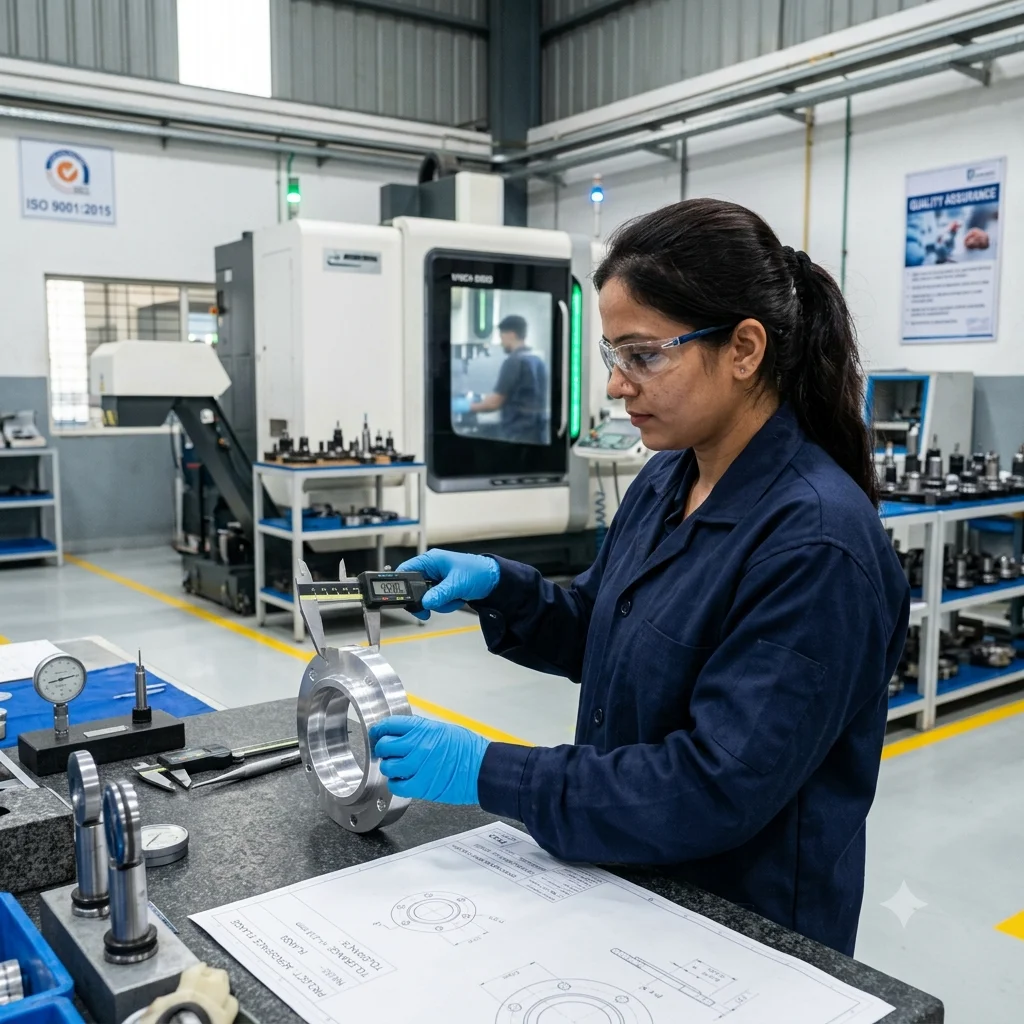
Why Supplier Screening Matters More Than Ever
North Carolina is one of the fastest-growing manufacturing and logistics hubs in the United States. Industries including aerospace, life sciences, furniture manufacturing, textiles, food processing, advanced manufacturing, and medical technology depend on reliable supplier networks to remain competitive.
As businesses expand internationally, supplier selection becomes more complex. Manufacturers may appear similar on paper, but differences in production capability, communication standards, export experience, quality systems, and scalability can significantly influence sourcing outcomes. Supplier screening reduces this uncertainty by helping businesses evaluate manufacturers before commercial commitments are made.
Finding a Supplier vs. Finding the Right Manufacturing Partner
Many businesses unintentionally confuse supplier discovery with supplier screening. While they are closely connected, they solve different procurement challenges.
Supplier Discovery | Supplier Screening |
|---|---|
Identifies potential manufacturers | Evaluates shortlisted manufacturers |
Focuses on market research | Focuses on supplier capability |
Builds an initial supplier list | Reduces supplier selection risk |
First stage of sourcing | Second stage before RFQs |
Businesses that separate these two stages often make stronger procurement decisions because supplier evaluation is based on structured criteria rather than first impressions.
What Should Procurement Teams Evaluate Before Moving Forward?
Supplier screening goes beyond reviewing a company profile or website. It involves understanding whether the manufacturer has the operational capability to support your business over the long term.
Key evaluation areas include:
Looking at these factors together provides a more complete picture than pricing or marketing information alone.
How Kaizen Supports Supplier Screening
Kaizen Global Sourcing helps businesses organise supplier evaluations before they invest time in quotations, negotiations, or production planning. Rather than recommending suppliers based solely on availability, the focus is on understanding whether shortlisted manufacturers align with your sourcing objectives.
This structured approach helps businesses:
Supplier screening is not about eliminating suppliers—it is about helping procurement teams focus on manufacturers that are genuinely capable of supporting the project.
Mini Procurement Scenario
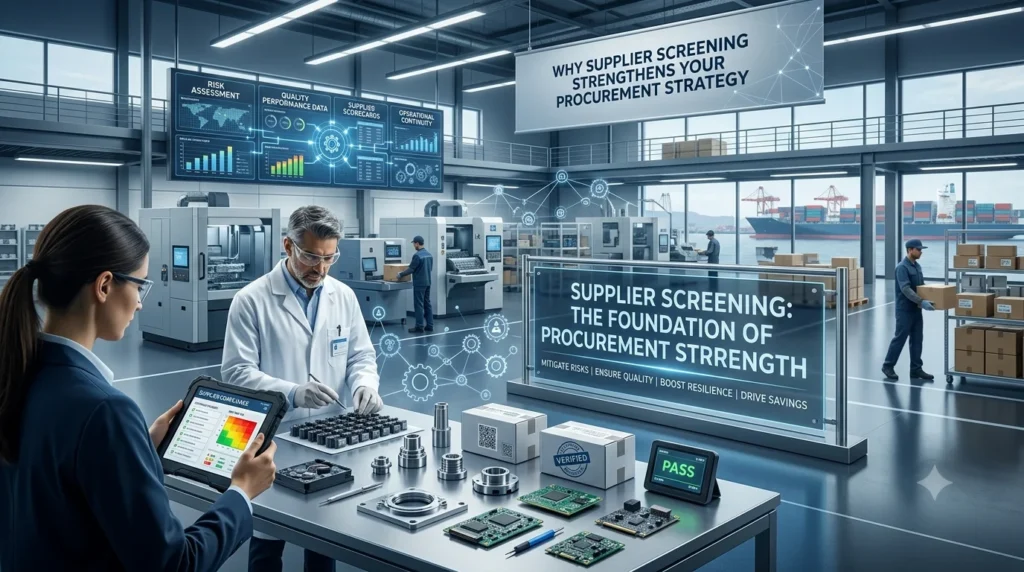
A North Carolina medical equipment company shortlisted an Indian supplier after completing supplier screening and quotation review. The initial sample met dimensional specifications but revealed inconsistencies in surface finishing and packaging requirements that could have affected regulatory compliance during shipment.
Through structured qualification and supplier feedback, the manufacturer refined its production process before the first commercial order. As a result, the buyer moved into production with greater confidence and reduced the likelihood of quality-related delays after shipment.
What This Means for Your Procurement Strategy
Approving a supplier based solely on quotations or certifications introduces unnecessary risk into the procurement process. Sampling and qualification provide practical evidence that a supplier can consistently deliver products that meet your technical specifications, quality expectations, and production requirements.
For businesses in North Carolina sourcing from India, this stage bridges the gap between supplier selection and production. It helps procurement teams confirm manufacturing readiness before committing significant resources, reducing the likelihood of quality issues, production delays, and costly corrective actions after orders have been placed. Supplier qualification is not about questioning a manufacturer’s capabilities. it’s about validating them before production begins.
How Procurement Leaders Think Differently
Experienced procurement teams view sampling as a business validation process rather than a product approval exercise.
Traditional Buying Approach | Strategic Procurement Approach |
|---|---|
Approve the first acceptable sample | Evaluate whether quality can be consistently reproduced |
Focus on product appearance | Assess manufacturing capability and process consistency |
Assume production will match the sample | Validate production readiness before placing orders |
Address issues after production begins | Resolve concerns during qualification |
View sampling as the final step | Treat qualification as a critical risk management stage |
The strongest procurement decisions are made before production starts—not after issues arise.
Product Samples vs. Production Readiness
A successful sample is an important milestone, but it does not always indicate that the supplier is fully prepared for commercial production.
Sample Evaluation | Supplier Qualification |
|---|---|
Reviews an individual product sample | Evaluates the supplier’s ability to consistently manufacture at scale |
Focuses on appearance and functionality | Reviews manufacturing processes, quality controls, and production capability |
Confirms product suitability | Confirms supplier readiness for ongoing production |
One-time review | Supports long-term supplier performance |
Product-focused | Process-focused |
This broader approach helps businesses minimise sourcing risks before moving into production.
Without Supplier Qualification vs. With Supplier Qualification
Without Structured Qualification | With Structured Qualification |
|---|---|
Production begins with limited validation | Manufacturing capability is verified before production |
Higher likelihood of quality inconsistencies | Greater confidence in consistent product quality |
Unexpected production challenges | Potential issues identified early |
Increased risk of delays and rework | Better production planning and risk reduction |
Limited visibility into supplier capability | Stronger understanding of supplier readiness |
Qualification activities provide confidence that the supplier can deliver consistently—not just once.
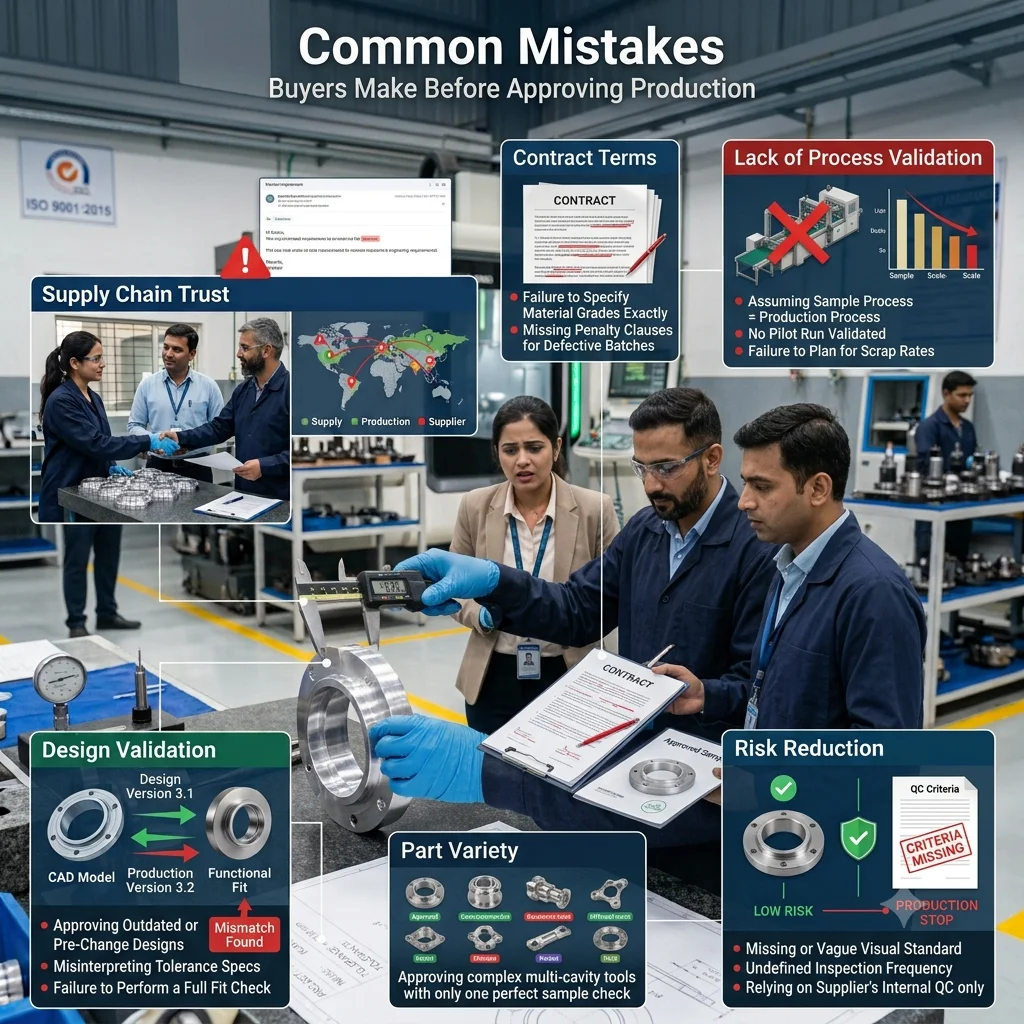
Common Procurement Mistakes During Sampling & Qualification
Many sourcing challenges can be traced back to inadequate supplier validation. Avoid these common mistakes:
A structured qualification process helps identify these risks before they affect production schedules or customer deliveries.
Procurement Expert Insight
Many sourcing problems don’t begin during production—they begin during supplier selection. Businesses that invest time evaluating manufacturing capability before requesting quotations often reduce procurement risks, avoid unnecessary supplier changes, and improve long-term sourcing performance.
How Procurement Leaders Evaluate Suppliers Before Making a Decision

Supplier selection is rarely based on a single factor. Experienced procurement teams compare suppliers from multiple perspectives before moving to the quotation stage.
Instead of asking, “Which supplier is cheaper?”, they ask:
- Can this supplier consistently meet our quality requirements?
- Do they have experience manufacturing similar products?
- Can they scale production as our business grows?
- Will they be a reliable long-term manufacturing partner?
This broader evaluation helps businesses reduce sourcing risks and make decisions that support operational stability rather than short-term cost savings.
How Procurement Best Practices Compare to a Less Structured Approach
Choosing a supplier based only on initial impressions can create long-term procurement challenges. A structured screening process gives businesses a clearer picture before commercial discussions begins.
Less Structured Supplier Selection | Structured Supplier Screening |
|---|---|
Select suppliers based on websites or online profiles | Evaluate manufacturers against defined business requirements |
Compare suppliers mainly on pricing | Compare manufacturing capability, quality systems, communication, and scalability |
Request quotations immediately | Complete supplier evaluation before RFQs |
Limited understanding of supplier strengths | Better visibility into supplier capabilities and long-term suitability |
Higher risk of changing suppliers later | Better-informed sourcing decisions from the beginning |
Businesses that invest time in structured supplier screening often spend less time resolving supplier-related issues later in the sourcing process.
Procurement Expert Insight
A supplier’s ability to manufacture your product consistently is often more valuable than offering the lowest quotation. Strong procurement decisions balance commercial value, manufacturing capability, communication, and long-term reliability not price alone
Is Supplier Screening the Right Service for Your Business?
Supplier Screening is particularly valuable if your business:
If you’ve already completed supplier discovery and want to move forward with greater confidence, supplier screening is the logical next step.
What Procurement Managers Commonly Ask Before Moving Forward
Should I choose the supplier with the most experience?
Not always. Industry experience is important, but it should be considered alongside manufacturing capability, quality systems, production capacity, communication, and long-term business fit.
Can certifications alone confirm a supplier's reliability?
Certifications provide useful information, but they should not be the only factor in supplier evaluation. Procurement teams should also assess operational capability, responsiveness, and experience with similar products.
Should I request quotations before screening suppliers?
Screening suppliers first generally leads to better quotation quality because procurement teams spend time engaging manufacturers that are more likely to meet project requirements.
How many suppliers should I shortlist?
There is no fixed number. The objective is to create a focused shortlist of qualified manufacturers rather than contacting a large number of suppliers that may not be suitable.
FAQs for Supplier Screening Services in North Carolina
Should I complete supplier screening before requesting quotations?
Yes. Evaluating suppliers before issuing RFQs helps businesses focus on manufacturers that are capable of meeting technical, commercial, and operational requirements.
Is supplier screening different from supplier verification?
Supplier screening is a broader evaluation process that considers manufacturing capability, production readiness, quality systems, and business suitability. Verification may focus on confirming specific supplier information.
Can a supplier with a lower price still be the wrong choice?
Yes. Lower pricing does not always reflect better value. Manufacturing capability, communication, lead times, and production consistency should also be considered.
Should I compare suppliers only on certifications?
No. Certifications are valuable, but procurement decisions should also include operational performance, technical expertise, scalability, and responsiveness.
Is supplier screening useful for repeat sourcing projects?
Absolutely. Even when sourcing similar products, supplier capabilities and business requirements may change over time, making periodic evaluations beneficial.
How does Kaizen Global Sourcing approach supplier screening?
Kaizen helps businesses evaluate shortlisted manufacturers using structured procurement criteria, allowing supplier selection to be based on capability and business fit rather than assumptions.
What comes after supplier screening?
Once suitable suppliers have been evaluated, the next step is RFQ Coordination, where quotations are requested using consistent project requirements.
How can supplier screening improve long-term sourcing success?
Selecting suppliers through a structured evaluation process reduces procurement uncertainty, supports stronger supplier relationships, and creates a better foundation for future production.
Key Takeaways
Before moving to the RFQ stage, remember:
Ready to Build a Stronger Supplier Shortlist?
Choosing the right supplier is one of the most important decisions in any sourcing project. A structured screening process helps businesses move beyond assumptions and evaluate manufacturers based on capability, quality, and long-term suitability. If your business in North Carolina is sourcing products or components from India, Supplier Screening Services in North Carolina from Kaizen Global Sourcing can help you evaluate potential manufacturing partners before moving to quotations, giving your procurement team greater confidence in every sourcing decision.