
RFQ Coordination Services for Businesses in Ohio
The Quality of Your Supplier Quotations Depends on the Quality of Your RFQ
One of the biggest misconceptions in global sourcing is that requesting quotations is a straightforward process. In reality, the quality of the responses you receive is directly influenced by the quality of the information you provide. Even highly experienced manufacturers cannot prepare accurate quotations if product specifications, technical drawings, production volumes, quality expectations, or commercial requirements are incomplete or unclear.
For businesses across Ohio, whether sourcing industrial equipment, engineered components, consumer products, or custom-manufactured parts from India, RFQ (Request for Quotation) coordination is one of the most critical stages of the procurement process. A well-structured RFQ creates consistency, reduces misunderstandings, and allows procurement teams to compare supplier quotations on a like-for-like basis rather than making decisions based on incomplete or inconsistent information. At Kaizen Global Sourcing, RFQ coordination is designed to simplify supplier communication and help businesses obtain quotations that support informed procurement decisions—not just competitive pricing.

Why Many RFQs Produce Inconsistent Quotations
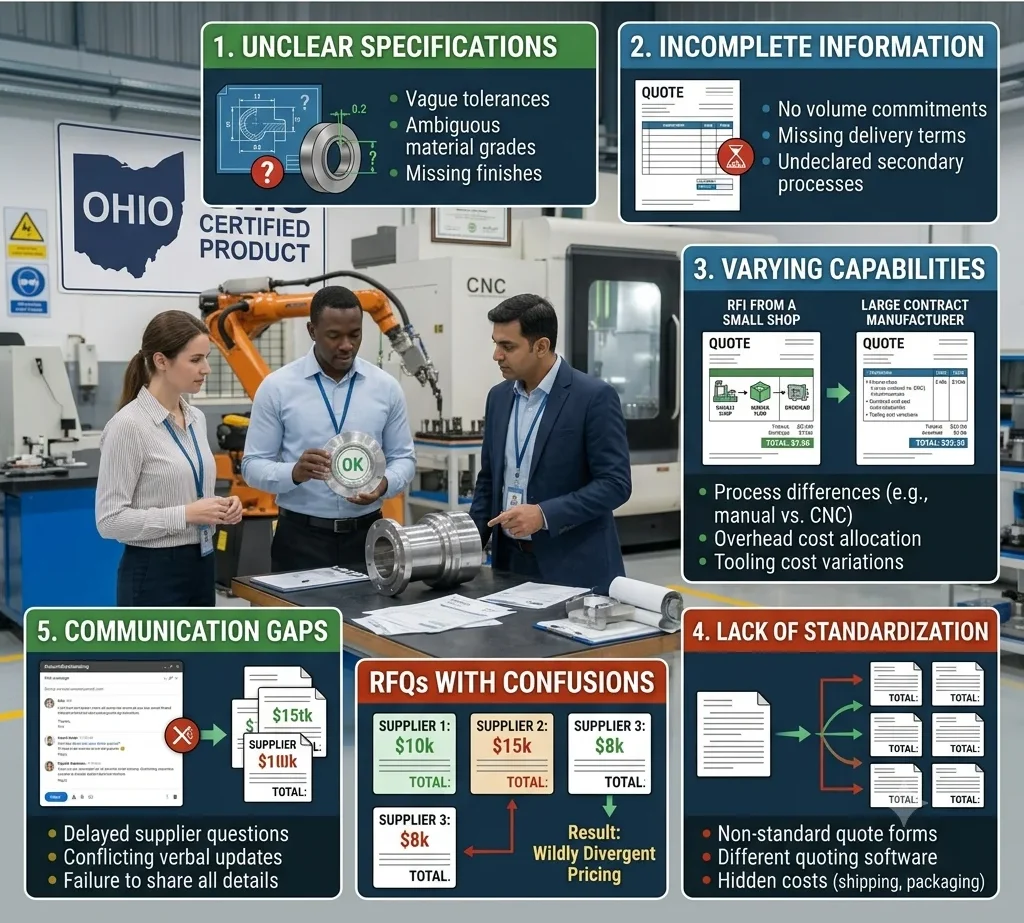
It is common for businesses to receive quotations that vary significantly in price, lead time, material recommendations, tooling costs, or commercial terms. While these differences are often assumed to reflect supplier capability, they frequently result from inconsistent communication during the RFQ stage. For example, one supplier may assume a different material grade, another may exclude packaging costs, while a third may quote based on a different production volume. Although each supplier has responded to the same request, the quotations are no longer directly comparable.
This creates confusion during supplier evaluation and often leads to additional discussions, revised quotations, and unnecessary procurement delays. An effective RFQ minimizes these issues by ensuring that every shortlisted supplier receives the same technical and commercial information from the beginning.
What Makes an Effective RFQ?
An RFQ is more than a request for pricing—it is a document that communicates exactly what a business expects from a manufacturing partner. Depending on the project, an effective RFQ should clearly outline:
Providing complete information at the outset allows suppliers to prepare quotations that are more accurate, transparent, and easier to compare.
How Kaizen Helps Businesses Coordinate RFQs
Managing RFQs across multiple suppliers requires more than forwarding emails and collecting quotations. Every clarification, specification update, or commercial discussion has the potential to influence pricing and delivery commitments.
Kaizen Global Sourcing helps businesses coordinate this process by ensuring communication remains structured, consistent, and aligned with project requirements. Instead of leaving suppliers to interpret incomplete information, RFQ coordination focuses on reducing ambiguity so each manufacturer is quoting against the same expectations.
This structured approach helps procurement teams:
Rather than comparing different interpretations of a project, businesses can evaluate suppliers based on meaningful commercial and technical criteria.
Why Procurement Teams Should Compare More Than Price
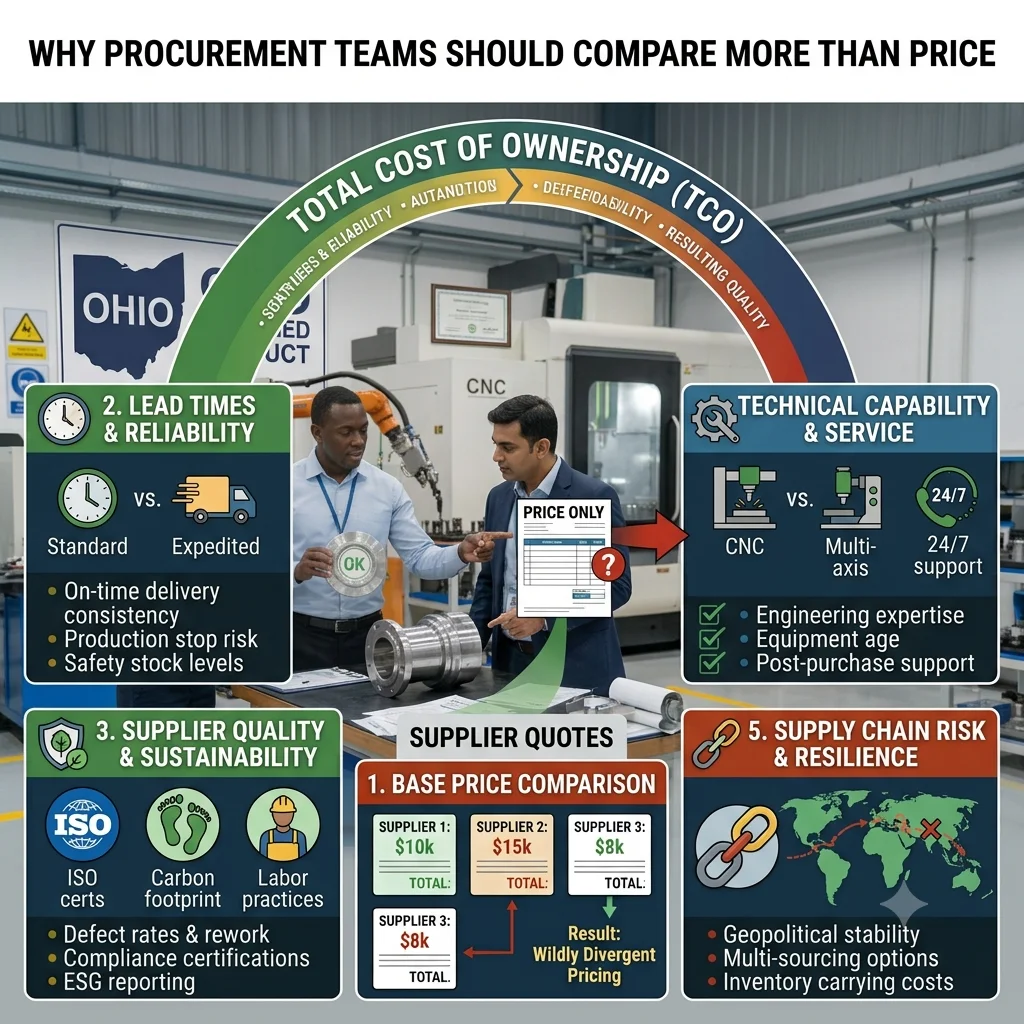
The lowest quotation is not always the most cost-effective option. A quotation should be evaluated within the context of the supplier’s manufacturing capability, production approach, lead time, quality expectations, and commercial assumptions. Two suppliers may quote similar prices while offering very different production methods or delivery commitments. For procurement teams, RFQ coordination creates greater visibility into these differences, making it easier to identify quotations that align with both operational requirements and long-term business objectives. Instead of focusing solely on price, businesses should consider the overall value offered by each supplier before progressing to commercial negotiations.
Common RFQ Mistakes That Increase Procurement Costs
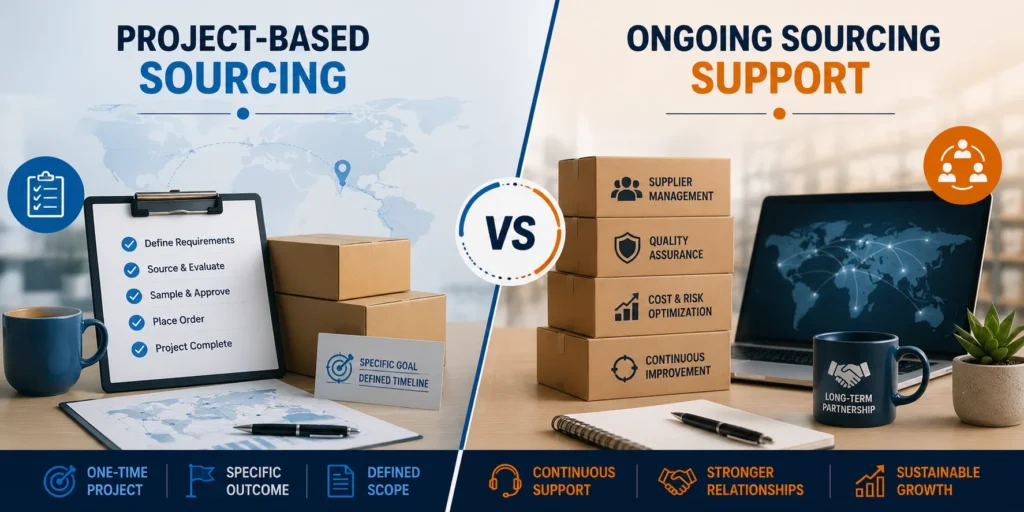
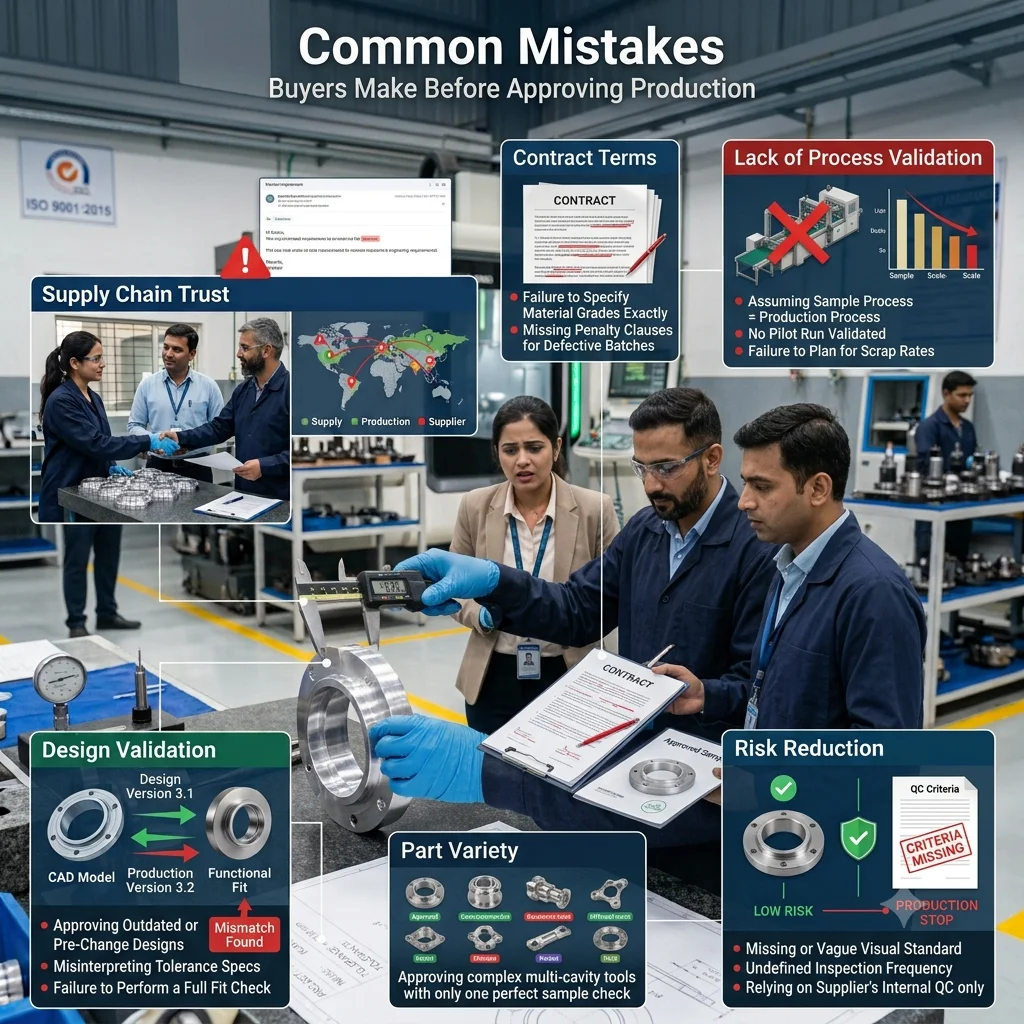
Even experienced procurement teams can encounter challenges during the quotation stage. Most issues don’t arise because suppliers are unwilling to provide accurate information—they occur because suppliers are working with different assumptions.
Some of the most common RFQ mistakes include:
- Sharing incomplete drawings or technical specifications.
- Not defining material grades or product tolerances.
- Requesting quotations from too many suppliers without a clear shortlist.
- Failing to specify annual demand or estimated order quantities.
- Leaving packaging, testing, or inspection requirements open to interpretation.
- Comparing quotations without checking what is included or excluded.
These mistakes often lead to revised quotations, extended negotiations, and delays in supplier selection. A structured RFQ process reduces these risks by giving every shortlisted supplier the same project information from the beginning.
Why RFQ Coordination Matters for Ohio Businesses
Ohio is home to a strong manufacturing economy, with businesses operating across automotive, industrial machinery, aerospace, medical devices, polymers, consumer products, and engineered components. For many of these organizations, international sourcing is part of a broader strategy to diversify supply chains, improve manufacturing flexibility, and access specialized production capabilities.
When sourcing from India, the quality of supplier communication becomes just as important as supplier capability. A well-managed RFQ helps procurement teams obtain accurate commercial information, reduce unnecessary clarification cycles, and evaluate quotations using consistent criteria. Whether you’re sourcing production parts, custom assemblies, fabricated components, or finished products, structured RFQ coordination helps procurement teams move from supplier evaluation to commercial decision-making with greater confidence.
What Happens After RFQ Coordination?
Receiving quotations is not the end of the procurement process—it is the beginning of commercial evaluation.
Once suppliers submit their proposals, procurement teams need to compare pricing, lead times, tooling costs, payment terms, production assumptions, and technical compliance before selecting the most suitable manufacturing partner.
This naturally leads to the next stage of the sourcing journey: Quote Review & Comparison, where supplier proposals are assessed side by side to support informed procurement decisions.
FAQs for RFQ Coordination Services in Ohio
What is RFQ coordination in global sourcing?
RFQ coordination is the process of managing communication between buyers and shortlisted suppliers to ensure they receive consistent project information and provide accurate, comparable quotations.
Why do supplier quotations often vary so much?
Differences in material assumptions, production methods, quantities, lead times, tooling costs, and commercial terms can all affect pricing. A structured RFQ helps minimise these variations.
What information should be included in an RFQ?
A complete RFQ should include product specifications, drawings, material requirements, estimated order volumes, quality expectations, packaging instructions, delivery requirements, and any applicable commercial terms.
How many suppliers should receive an RFQ?
Rather than sending RFQs to a large number of manufacturers, it’s generally more effective to work with a carefully screened shortlist of suppliers that closely match your sourcing requirements.
Can RFQ coordination help reduce sourcing delays?
Yes. Clear communication during the quotation stage reduces clarification requests, avoids misunderstandings, and helps suppliers prepare more accurate proposals.
How does RFQ coordination support supplier selection?
It creates a consistent basis for comparing quotations, making it easier to evaluate suppliers based on pricing, capability, lead times, and commercial fit rather than incomplete information.
Is RFQ coordination only useful for large companies?
No. Businesses of all sizes benefit from structured quotation management, especially when sourcing internationally or working with multiple manufacturers.
What comes after RFQ coordination?
After quotations are received, the next step is reviewing and comparing supplier proposals before moving into sampling, qualification, and production planning.
Ready to Simplify Your RFQ Process?
Accurate supplier quotations start with clear communication. If your business in Ohio is sourcing products or components from India, Kaizen Global Sourcing can help coordinate RFQs, streamline supplier communication, and improve the quality of the quotations you receive. By creating a structured quotation process, you can compare supplier proposals with greater confidence and make procurement decisions that support your long-term business goals.